
Quick answer
Key points
- Ongoing bad breath may indicate disease; it should not be dismissed as normal ageing.
- Daily brushing with pet toothpaste is the most effective home measure against plaque.
- Brushing removes plaque but cannot remove hardened tartar.
- A full dental assessment and cleaning require anaesthesia, probing and X-rays when indicated.
What is periodontal disease?
Plaque is a film of bacteria that continually forms on teeth. If it is not removed, it can harden into tartar. Inflammation starts at the gum line and may spread to the tissues and bone that support each tooth.
AAHA notes that most dogs and cats show some degree of periodontal disease by around three years of age. It can cause pain, infection, tooth loss and reduced quality of life, even when a pet continues to eat.
Signs of dental problems
Dogs and cats often hide oral pain. Regular checks matter even when there is no obvious complaint. Persistent bad breath is common, but it is not the only sign.
- Red, swollen or bleeding gums.
- Yellow or brown tartar and discoloured teeth.
- Drooling, unpleasant breath or blood on toys.
- Chewing on one side, dropping food or avoiding hard food.
- Pawing at the mouth, irritability, facial swelling or nasal discharge.
- Broken, loose or missing teeth.
How to brush your pet’s teeth at home
Daily brushing is the most effective home measure for controlling plaque. Use a soft brush and toothpaste made for pets; human toothpaste is not suitable and is not meant to be swallowed.
Introduce brushing in stages: begin by touching the lips and gums, then use a piece of gauze or a brush, gradually increasing the time. Short sessions, rewards and avoiding force when there is pain can improve acceptance.
- Start when the mouth is healthy and pain-free.
- Focus on the outside of the teeth near the gum line.
- Consistency matters more than occasional long brushing sessions.
- If the gums are inflamed or bleed, ask for a check-up before continuing.
Dental chews, diets and other products
Some products help reduce plaque or tartar, but not every marketing claim has the same level of evidence. The Veterinary Oral Health Council seal identifies products that have met its effectiveness criteria for the stated benefit.
Chews, diets, additives and toys are supplementary. They do not clear an established infection or replace an examination. Calorie content, size and the risk of tooth fracture or choking also matter.
What does a complete veterinary dental cleaning involve?
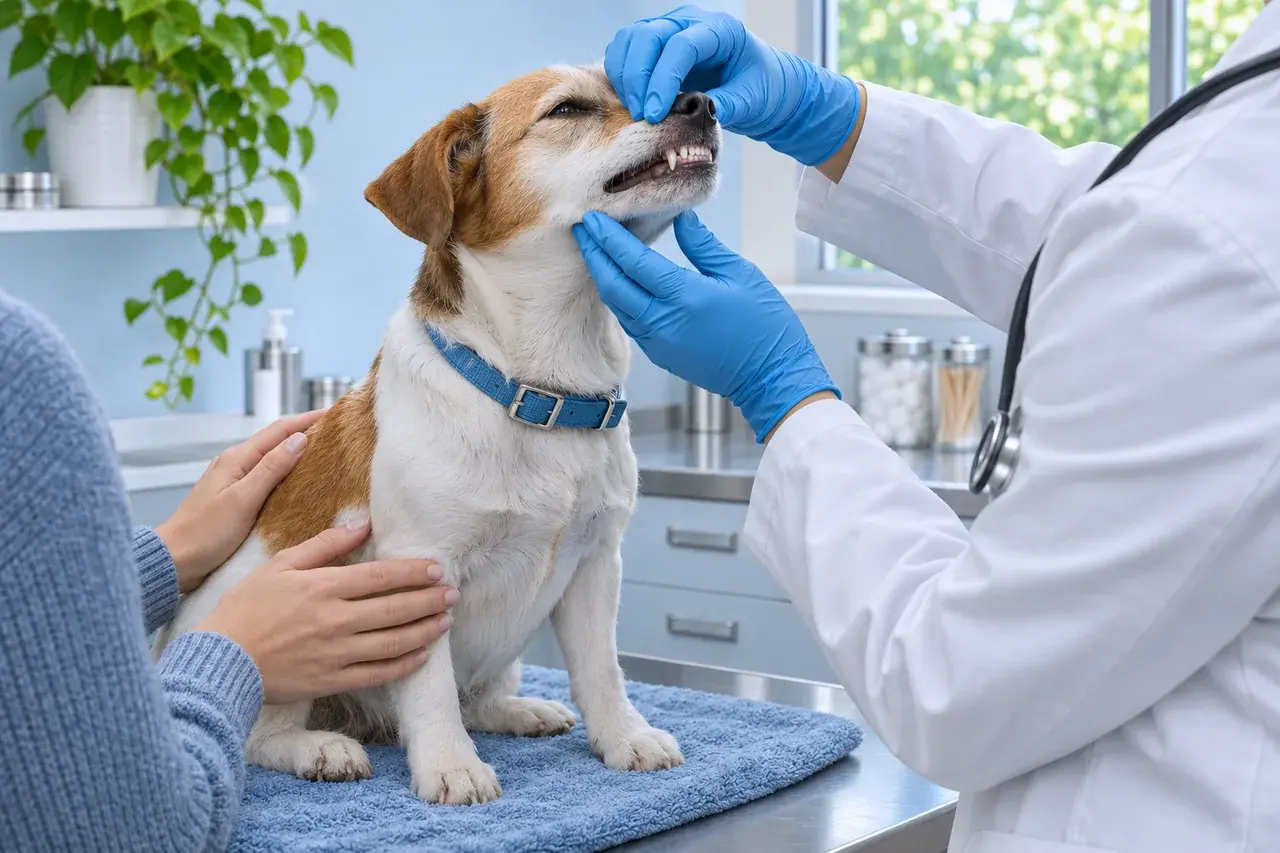
Professional cleaning is not just removing visible tartar. Important disease is often hidden below the gum line. A proper assessment checks each tooth, measures periodontal pockets, cleans above and below the gum line and polishes; intraoral X-rays can assess parts of a tooth that cannot be seen.
General anaesthesia with intubation and monitoring allows the team to work without pain, prevent movement and protect the airway. Pre-anaesthetic checks and the protocol are adapted to each pet’s age and health.
Cleaning without anaesthesia may improve the visible appearance temporarily, but it cannot safely assess or treat disease below the gum line.
How often does my pet need a dental check or cleaning?
The mouth should be checked during preventive appointments. The need for cleaning depends on genetics, size, age, anatomy, home care and existing disease. Small dogs and some older pets may need more frequent reviews.
Do not wait until your pet stops eating: many animals keep eating despite oral pain. Early care can mean a simpler treatment and help preserve more teeth.
Frequently asked questions
Clear answers before you decide.
Is bad breath normal in dogs or cats?
Persistent bad breath should not be considered normal. It may be linked to plaque, gingivitis, periodontal disease, a damaged tooth or another problem that needs an examination.
Can I use human toothpaste for my pet?
No. Use toothpaste formulated for dogs or cats. Human toothpaste is designed to be spat out and may contain ingredients that are harmful if swallowed.
Can a pet’s teeth be cleaned without anaesthesia?
A complete cleaning cannot. Without anaesthesia, the team cannot safely examine, X-ray and clean below the gum line, where much periodontal disease develops.
Veterinary sources consulted
Educational information based on professional guidance. It does not replace an examination or individual veterinary advice.