
Quick answer
Key points
- Heavy panting, weakness, vomiting, confusion or collapse after heat exposure are urgent signs.
- Move to a cool area, wet with cool—not icy—water and call an emergency vet.
- Do not leave pets in cars or exercise during the hottest part of the day.
- Short-nosed, older, overweight or unwell dogs may be at higher risk.
Signs of overheating or heatstroke
Intense or unusual panting, drooling, restlessness and seeking shade can be early warning signs. Breathing difficulty, vomiting or diarrhoea, weakness, confusion, seizures or collapse are critical signs. Cats can also pant, drool, vomit or become weak in extreme heat; do not assume this is normal.
What to do if you suspect heatstroke
Move your pet to a cool, ventilated place, gently wet their body with cool—not icy—water and call an emergency veterinary hospital while arranging transport. Follow their instructions and do not delay care even if your pet seems to improve; complications can develop.
Heatstroke is an emergency. If signs are severe, do not wait for our clinic to open—go to emergency care.
Reducing risk in Alcobendas and Madrid
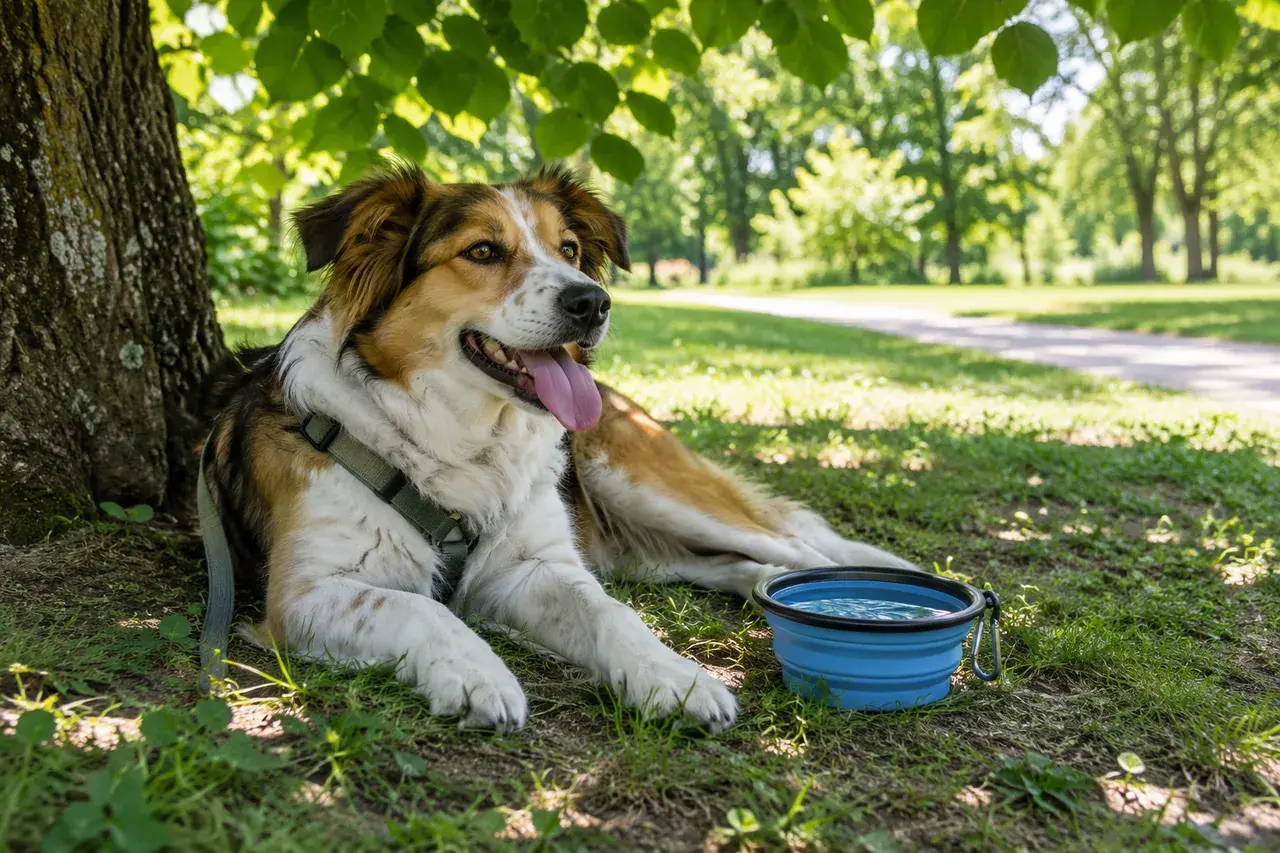
Walk dogs early or later in the evening and shorten activity on hot or humid days. Offer water and shade, keep indoor spaces cool and avoid hot surfaces. Never leave an animal alone in a car, even with windows partly open. For cats, provide water and cool, ventilated resting places; take extra care with older pets and those with heart or breathing conditions.
Frequently asked questions
Clear answers before you decide.
Should I cool my dog before going to the vet?
Move them somewhere cool and wet them with cool water while contacting emergency care, but do not delay transport or use icy water. Follow the veterinary team’s directions.
Can cats get heatstroke too?
Yes. Panting, drooling, vomiting, weakness or collapse during hot weather need careful cooling and immediate veterinary attention.
Veterinary sources consulted
Educational information based on professional guidance. It does not replace an examination or individual veterinary advice.